
Lawn Fertilizing in Providence, Timed to the Grass and the Season
Spring and fall feeding with slow-release granules, plus crabgrass preventer, grub control and a heavy last round before winter, set to the cool-season grass on your lot.
Free, no-obligation estimates. We answer the phone or call back the same working day.
Lawn fertilizing in Providence
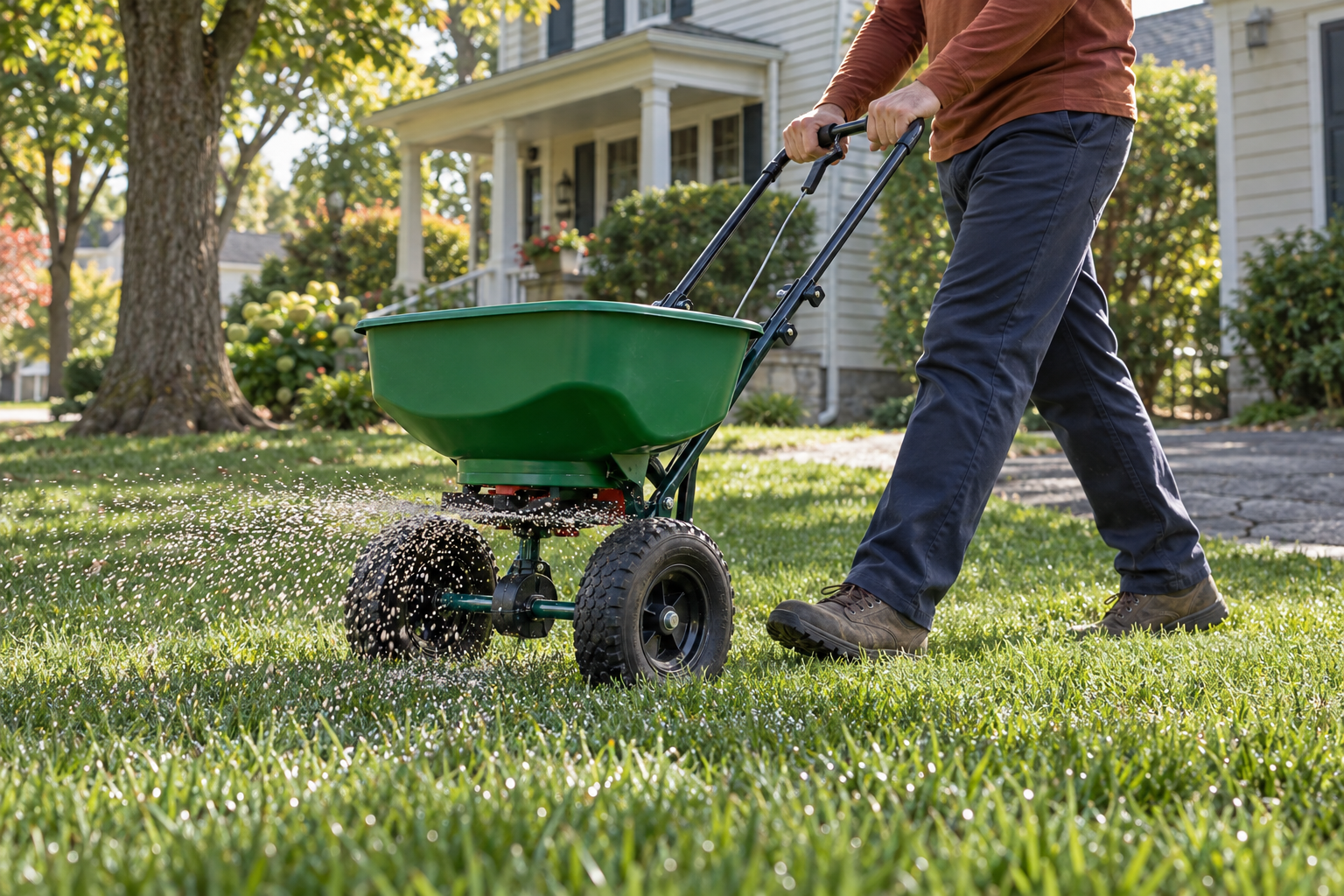
Lawn fertilizing in Providence feeds the turf with slow-release granular fertilizer in spring and fall, timed to the grass type and held back in summer heat.
The lawns on these streets are "cool-season grasses", fescue and bluegrass, which put on their growth in spring and again in fall. That is when the feed goes down, and fescue takes its main feeding in the fall. Heavy nitrogen waits out July and August, because feeding a lawn in hot months stresses the grass instead of helping it.
"Slow-release fertilization" is the other half of it. The granules give up their nitrogen gradually, so the color holds between visits instead of flushing green for a week and fading.
What a fertilizing program includes
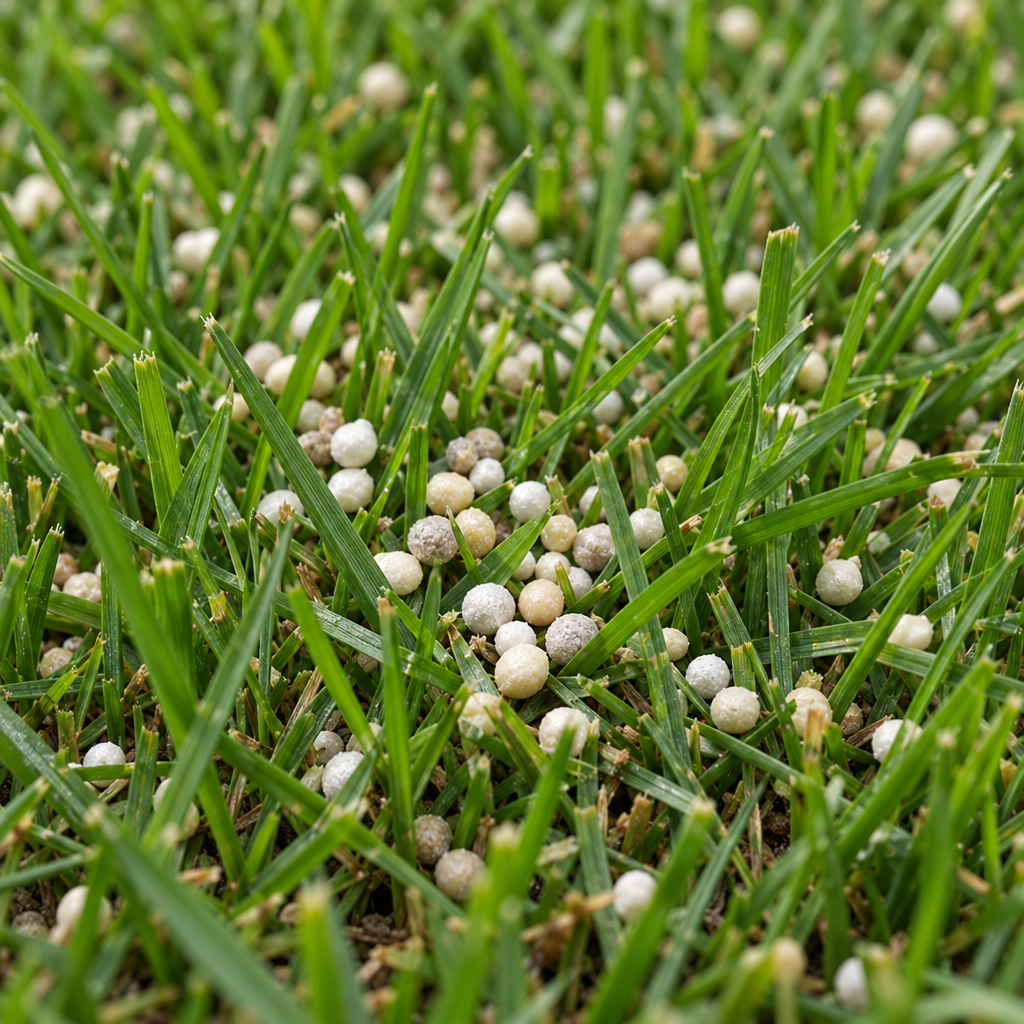
A fertilizing program takes in slow-release fertilizer, lime, pre-emergent crabgrass control, grub control and a heavy feeding before winter.
The rounds we put into a program, one to a card:
-
Slow-release fertilizer
Granules spread over the whole lawn once in spring and again in fall. They feed slowly, so the turf greens evenly and keeps that color between our visits.
-
Lime
"Liming" corrects acidic soil so the grass, and new seedlings most of all, take up what we feed them. It goes on only when a soil test says so, and the UMass Extension fact sheet on soil pH and liming explains why.
-
Pre-emergent
The "crabgrass preventer" that opens the season. Spread before crabgrass seed sprouts, it stops the seed from germinating at all.
-
Grub control
An early-summer treatment against the white grubs that eat roots under the surface, put down before their damage shows. Our timing follows the UMass Extension guide to white grub control.
-
Heavy fall feeding
The closing round before the grass goes "dormant" is a heavier one, and its job is root strength to carry the lawn through winter.
Not sure which rounds your lawn needs?
Give us the address. We look at the lawn and quote the whole program before we start.
Call for a Free EstimateHow a fertilizing program is priced
A fertilizing program is priced by lawn size and the number of rounds, and full programs are often quoted as a season contract billed monthly.
- $95 to $235
- typical in Rhode Island for one application
- $190 to $470
- typical for a full synthetic program over the season
- $257 to $682
- typical for an organic program over the year
Those are statewide figures, not our quote. We walk your lawn and give you one figure for the whole program before we start, with no surprise charges after.
The estimate is free and carries no obligation.
Fertilizing rounds through the season
A treatment program can run about eight visits a year, every four to six weeks, from pre-emergent in spring to a heavy feeding before dormancy.
This is how the year goes on a cool-season lawn:
-
Early spring
Crabgrass preventer
Down while the soil is still cool, ahead of the first crabgrass seedlings.
-
Spring
First feeding
Slow-release granules as the grass wakes up and starts its spring push.
-
Early summer
Grub control
Goes on before the grubs hatch out and start on the roots.
-
High summer
Hold the nitrogen
No heavy feed in the heat. Water and a taller cut carry the turf through.
-
Fall
Fall feeding
Fescue gets its biggest meal of the year, and the closing round builds roots for winter.
What owners around Providence say
Our Google reviews, in the words of the people who wrote them.
William has been taking care of our yard since the spring, and we couldn’t be happier. What began as a simple spring clean-up has turned into ongoing lawn and yard maintenance. He’s incredibly dependable, does meticulous work, and is an absolute pleasure to work with — not to mention very reasonably priced. I highly recommend him to anyone looking for a reliable and detail-oriented landscaper in the area.
William was very professional from the start with clear communication and pricing. He removed 4 large, old shrubs and trimmed others, cleaned up the beds and edged the area. He also took away all the yard waste and left the area clean. Pleasant to work with; highly recommended
I've been using Mela Landscapes for a few months and they are by far the best landscapers I've used in the Providence area. They are dependable, do an amazing job, and are a pleasure to work with. I highly recommend them.
Fertilizing for homes and commercial lawns
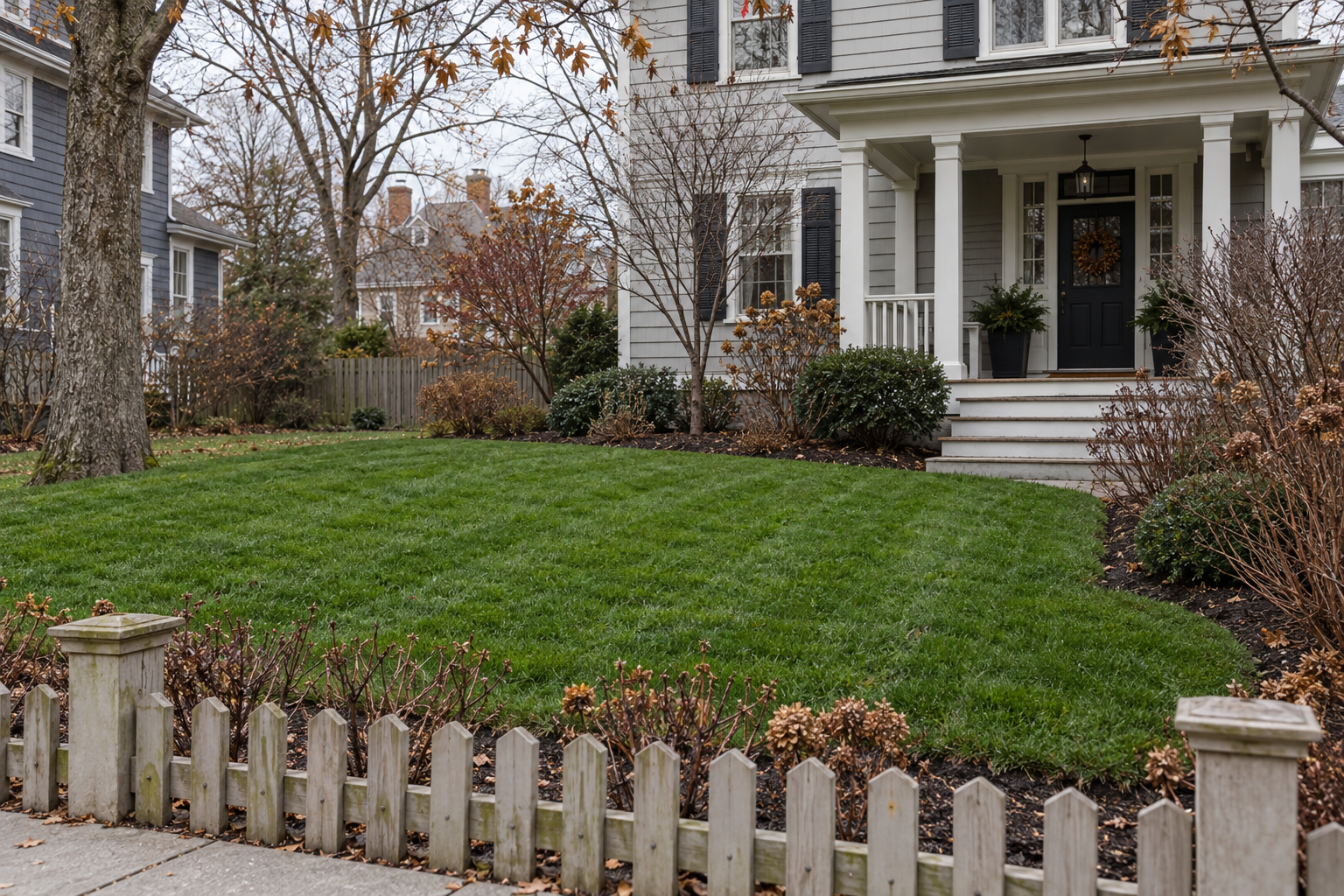
We fertilize residential lawns and commercial turf on the same seasonal timing.
A front yard on a narrow city lot and the grass strip along an office parking lot get the same rounds in the same windows. What changes is the size of the area and how the visits fit around the property.
Where we work around Providence
We do lawn fertilizing across Providence and the nearby towns our service area lists.
East Providence, Pawtucket, Central Falls, Cranston and Valley Falls are on our regular routes. If your lawn sits farther out, ask on the call and we will tell you straight.
Mela Landscapes service area around ProvidenceWhat you can count on
On every lawn we feed, from the first call to the last round.
- Free, no-obligation estimates
- We answer the phone or call back the same working day
- We show up when we say we will
- The whole program quoted before we start, no surprise charges after
- We clean up when the work is done
More fertilizing questions
The questions below sit next to lawn fertilizing, and each one points to the page that answers it in full.
Soil pH, lime and the soil test
A soil test shows whether the pH is low enough that lime is needed before feeding does its work, so lime goes down only when the test calls for it.
lawn soil testWatering and mowing height after feeding
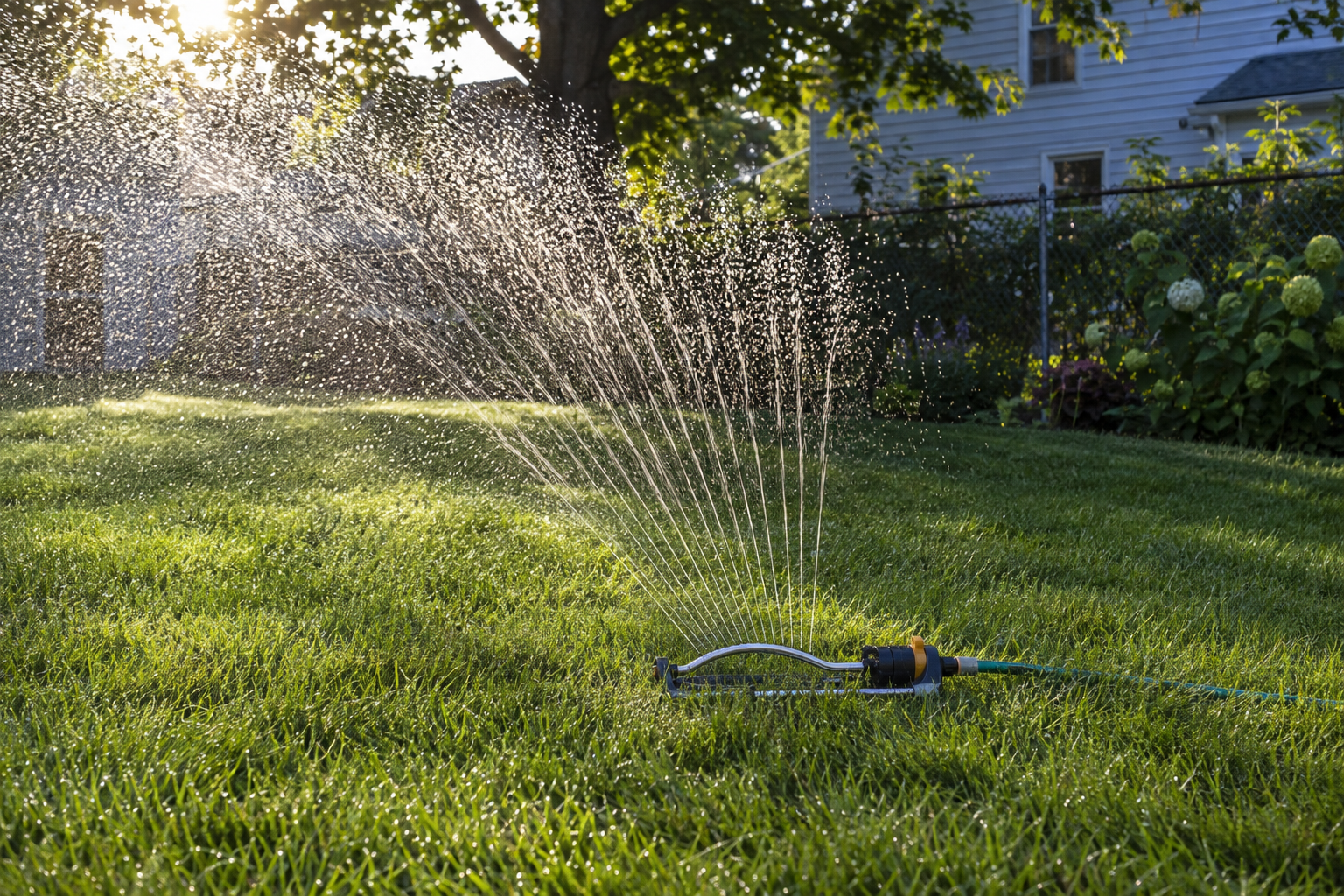
Watering after fertilizing and mowing at the recommended height help the feeding work.
Pair the feed with "core aeration", what most owners call plugging, and the nutrients and oxygen reach deeper into compacted soil.
Fertilizing questions owners ask
Short answers to what we hear most on the phone. Anything they do not settle, ask us when you call.
Call Mela LandscapesWhat is the best way to fertilize a lawn?
Slow-release granular fertilizer goes down evenly in spring and fall, timed to the grass type, and heavy feeding stays out of the summer heat. Watering it in afterward and mowing at the recommended height help the feed do its work. On compacted soil, aerating first lets it reach deeper.
When's the best time to apply fertilizer to your lawn?
For the fescue and bluegrass lawns around here, fall is the main feeding, with a spring round as the grass starts growing. Heavy nitrogen stays out of the hot months, because it stresses the grass. The last round before the lawn goes dormant is the heavy one, and our lawn care schedule lays out the rest of the year.
Is 10-10-10 fertilizer good for grass?
The numbers on a bag give its share of nitrogen, phosphate and potash, which the UMass Extension guide to understanding a turf fertilizer label walks through. For an established lawn the form and the timing matter as much as the blend, so we use slow-release granules in spring and fall. A soil test tells us whether the soil needs lime on top of that.
Get this season's rounds on the calendar
Call with the address and tell us how the lawn looks now. We come out, look at the turf and quote the whole fertilizing program before the first round goes down.
Calls outside our working hours go to voicemail and we return them the next working morning.
- Free, no-obligation estimates
- We show up when we say we will
- We clean up when the work is done